Tariff Refunds Push US Economy Toward 4.3% Growth
The US government has refunded more than $100 billion to companies and importers under the global tariffs imposed by President Trump, and that money is already giving the economy a boost. According to the Wall Street Journal, 40 companies in the S&P 500 have logged a combined $9.6 billion in tariff refunds, with Apple alone accounting for roughly $2.2 billion of that total. The list also includes major companies such as Nike, FedEx, Amazon and General Motors.
According to Apollo's chief economist Torsten Slok, the tariff refunds are boosting not only corporate profits but also the country's gross domestic product (GDP): by his estimate, the funds will add roughly 0.2 percentage points to third-quarter GDP growth. The Federal Reserve Bank of Atlanta projects growth will reach 4.3% — well above the second quarter's 1.5% (which was dragged down by a surge in AI-related imports) and the first quarter's 2.1%.
Slok notes that this quarter's tariff refunds are being reinforced by other positive factors, including the ongoing AI investment boom, tax breaks under the "One Big Beautiful Bill Act," and the reshoring of US manufacturing. "The US economy is being supported by an increasingly broad set of favorable tailwinds," he says.
He says the unexpectedly weak July jobs report shouldn't be read as a sign the economy is losing momentum: the sharp declines in the public sector and hospitality, he argues, stem from anomalies in seasonal adjustment. Strip out those two sectors, and the economy would have added 70,000 jobs instead of officially losing the reported 23,000 — a figure in line with Wall Street's expectations. Meanwhile, weekly unemployment claims are holding at around 200,000, and job openings have been rising for the past six months.
"In short, the market is underestimating just how strong current growth is," Slok says. "That's why interest rates will stay elevated for a long time." The refunded amount represents roughly 60% of the $166 billion in import taxes collected by the government under the International Emergency Economic Powers Act, which the Supreme Court struck down in February.
Meanwhile, some American consumers are already filing lawsuits against companies, demanding their share of the refunded money; companies such as Amazon, FedEx and UPS have pledged to pass some of the funds back to customers. According to Bank of America analysts, retailers are using their refunds to finance promotions and cover transportation and delivery costs, while some plan to recoup part of that money through direct payments from brands or by renegotiating purchase orders.
Related articles

Lowe's Cuts Annual Forecast as DIY Purchases Decline
The home-improvement retail giant acknowledged softening demand for big DIY renovation projects, but held on to growth thanks to its Pro segment and online sales.
Hims & Hers CEO: Companies With Large Data Sets Could Cut AI Costs by 80%
Hims & Hers CEO Andrew Dudum is urging companies with large proprietary data sets to move from closed AI models to open-weight models.
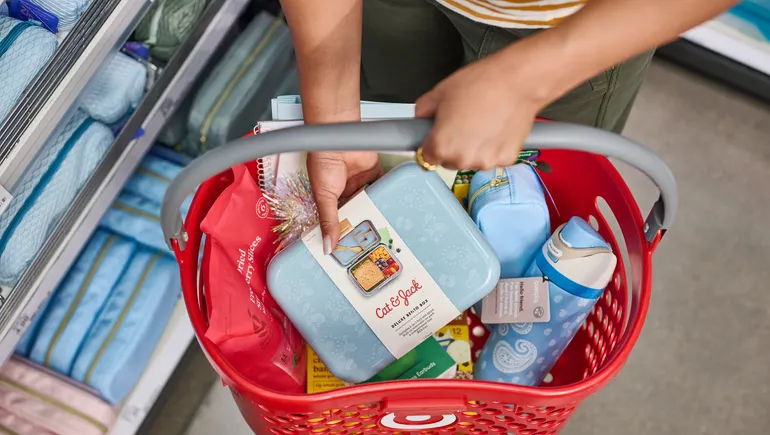
Back-to-School Shopping 2026: Growth Concentrated Among Higher-Income Families
A new Circana report finds the 2026 back-to-school shopping season will be average at best, with growth driven mainly by higher-income households.