E-Commerce Is Growing, But Walmart's Stores Matter More Than Ever
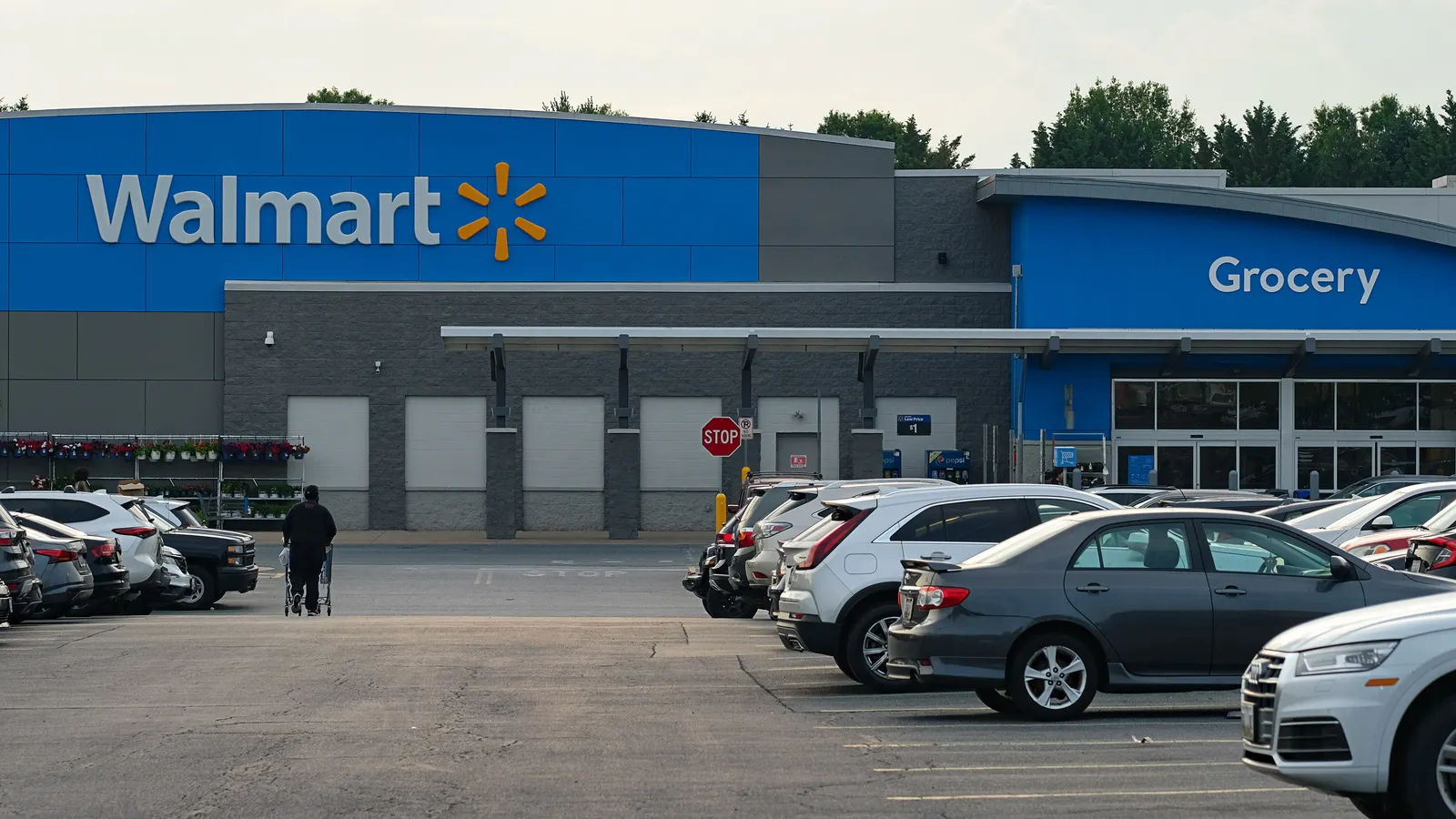
Walmart's second-quarter results show that even as online sales grow their share, physical stores are becoming the central fulfillment hub for delivery.
Statistics, research and analysis

Walmart's second-quarter results show that even as online sales grow their share, physical stores are becoming the central fulfillment hub for delivery.
Major retailers — Target, Walmart, and Home Depot — are turning delivery within hours, or even minutes, into the new standard. What's driving the shift?
An AI persona is a tool that models your target audience so you can question it directly. But what actually makes that persona trustworthy?

The 3D-model marketplace CGTrader shows that a flood of AI-generated products in the catalogue does not guarantee they will sell — buyers are still willing to pay more for work made by a human.

A new analysis finds that nearly 60% of Gemini's local search citations link directly to a business's own website — though the same query was also found to produce different results each time.

American distrust of AI isn't news, but new research shows the source isn't just the technology itself — it's also distrust of the people running it.

Nine months of tracking more than 51,000 AI Overview events for a single brand found that, on average, 22.4% of that traffic is wrongly logged as "direct" in Google Analytics.

While empty storefronts are multiplying in many city centers, the fastest-growing retail companies aren't closing physical stores — they're opening them at an accelerated pace.

A third of American parents have become 'hyper value-seekers' who use four or more money-saving tactics at once — and brands are trying to earn their trust through price guarantees and micro-influencers.

A new study from HarrisX and Allison Worldwide reveals which brands Gen Alpha teens and their parents prefer — and how much influence each has on the other.