Back-to-School Shopping 2026: Growth Concentrated Among Higher-Income Families
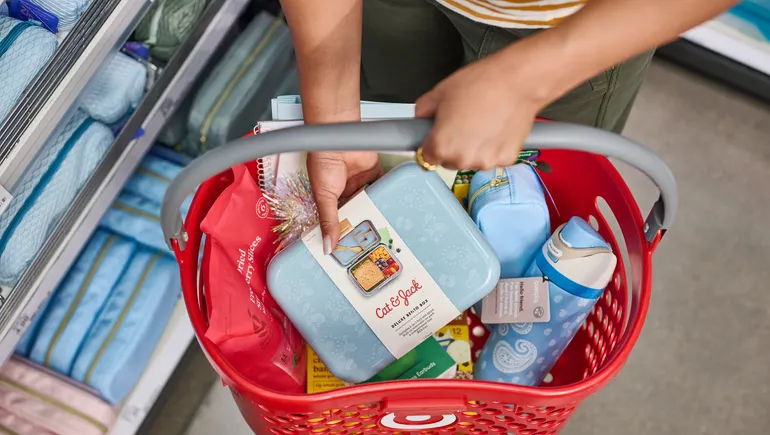
According to a new report from analytics firm Circana, the 2026 back-to-school shopping season will be "average at best" — unit demand is soft, and spending growth is being driven mainly by higher prices. In July, total retail revenue fell 1% year-over-year, while units sold dropped 2%.
In the four weeks ending August 1, retail revenue in the discretionary general merchandise category fell 4.3%, while unit demand dropped 3.9%. Circana says shoppers are being cautious with discretionary purchases, and that growth is coming mainly from higher-income consumers.
Kiara Barrett, Circana's global head of thought leadership, said in a statement: "Consumers are still spending, but it's more about prioritization than expansion — driven by purpose rather than promotions. Promotional activity still matters, but broad discounting on its own is doing little to generate incremental demand."
Data Circana released in July shows back-to-school shoppers are focusing primarily on school supplies and technology, while spreading clothing purchases out over the rest of the year — with children's apparel unit sales expected to decline 1-2% in the third quarter.
According to Omnisend data from last month, roughly 40% of parents say they feel more financial pressure this season than in 2025, and 45% of U.S. households plan to use buy-now-pay-later (BNPL) financing for back-to-school purchases — up from 39% a year earlier. Even so, according to the National Retail Federation and Prosper Insights & Analytics, total spending is expected to hit a record $43.3 billion this year, up from $39.4 billion in 2025.
Related articles

Lowe's Cuts Annual Forecast as DIY Purchases Decline
The home-improvement retail giant acknowledged softening demand for big DIY renovation projects, but held on to growth thanks to its Pro segment and online sales.
Hims & Hers CEO: Companies With Large Data Sets Could Cut AI Costs by 80%
Hims & Hers CEO Andrew Dudum is urging companies with large proprietary data sets to move from closed AI models to open-weight models.
Does the AI Boom Look Like Enron? An Expert Says: 'This Isn't a Collapse Yet'
Santa Clara University professor Ram Bala compares Big Tech's financial tactics to those of Enron, the energy company that collapsed in 2001 — but in his view, the resemblance doesn't mean the AI bubble is about to burst.