US retail sales fall 0.6% in July: what it means for the economy
US retail sales fell 0.6% in July from the prior month — the steepest monthly decline since May 2025. That followed a 0.2% increase in June. According to the Commerce Department, the spending gains seen in April and May were driven by Americans spending their tax refunds, an effect that had begun to fade by July.
Excluding gas stations and auto dealers, retail sales dipped just 0.2% in July. Part of that was driven by gas prices climbing again: tensions in the Strait of Hormuz pushed the price up from $3.85 to $4.08 a gallon over the month — 92 cents higher than a year earlier.
Sales at auto and parts dealers dropped 1.8%, a reversal from June's 1.9% gain, which had been fueled by manufacturer discount programs. Electronics and appliance sales fell 0.5%, while online sales dropped 2.2% compared with Amazon's four-day Prime Day event in late June.
"This isn't the economy flashing warning lights yet, but if consumers pull back, new risks could emerge," said Christopher Rupkey of financial research firm fwdbonds. Meanwhile, annual inflation came in at 3.4% in July, down slightly from 3.5% in June — though still above the 2.4% reading recorded before tensions with Iran flared up.
Prices are still rising faster than average wages, underscoring the strain many Americans face paying for groceries, fuel, and healthcare. Economists are watching closely to see how the year's second major shopping season — back-to-school spending — plays out. Tanger malls CEO Stephen Yalof said foot traffic rose over the summer thanks to World Cup-related events, as many people opted to vacation closer to home to save money.
Related articles

Lowe's Cuts Annual Forecast as DIY Purchases Decline
The home-improvement retail giant acknowledged softening demand for big DIY renovation projects, but held on to growth thanks to its Pro segment and online sales.
Hims & Hers CEO: Companies With Large Data Sets Could Cut AI Costs by 80%
Hims & Hers CEO Andrew Dudum is urging companies with large proprietary data sets to move from closed AI models to open-weight models.
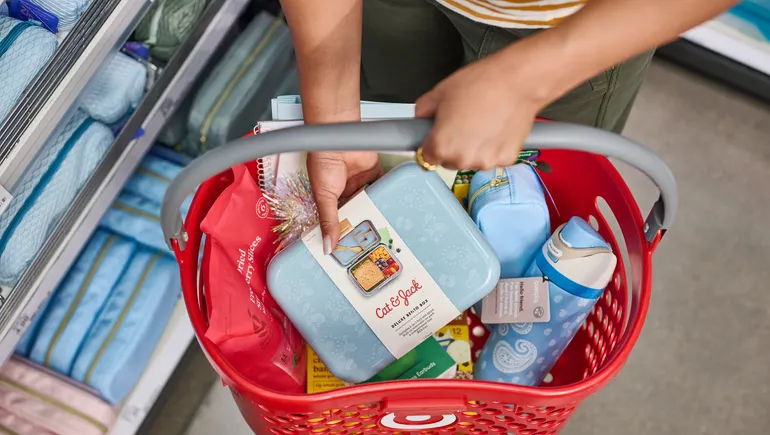
Back-to-School Shopping 2026: Growth Concentrated Among Higher-Income Families
A new Circana report finds the 2026 back-to-school shopping season will be average at best, with growth driven mainly by higher-income households.