New WhatsApp Protection: Meta Detects Scam Messages Without Exposing Your Personal Data
Meta has rolled out an early version of a new "Scam Alert" system for WhatsApp. The feature is designed to warn users about potentially fraudulent messages and contacts without exposing their personal information.
Meta says the feature is opt-in and runs entirely through a machine-learning model that operates on the device itself, meaning no data is sent to Meta's servers for analysis. In the company's official statement: "The text of a message never leaves the device for classification and is not automatically reported to WhatsApp, Meta, or anyone else. This feature works alongside end-to-end encryption and adds a layer of protection that stays under the user's own control."
When a user turns on "Scam Alert," a machine-learning model is downloaded to the device and compares messages from senders outside the contact list against known scam patterns. According to Meta, "the model was trained on patterns observed in fraudulent conversations from user-submitted reports" and calculates a probability score based on conversation structure and language characteristics.
If the model flags a message as potentially fraudulent, the user sees a warning inside the chat that is visible only to them. They can then choose to block the contact, report it, or continue the conversation — and if they believe the warning was a false positive, they can mark the chat as "trusted." The only information shared with Meta is aggregate statistics on how often alerts appear and how accurate they turn out to be, based on whether the user subsequently blocks or accepts similar messages.
With this move, Meta is aiming to tackle the growing problem of scam contacts on WhatsApp while staying true to the platform's strict privacy commitments. "Scam Alert" is currently being tested in beta, and Meta says it will keep refining the system before rolling it out more broadly.
Related articles
Waiting on Unpaid Clients Is a Mistake: A Hidden Source of Lost Revenue
According to the American Collectors Association, roughly 13% of business accounts are past due at any given time — and every month of delay lowers the odds of recovery while raising cash-flow risk.
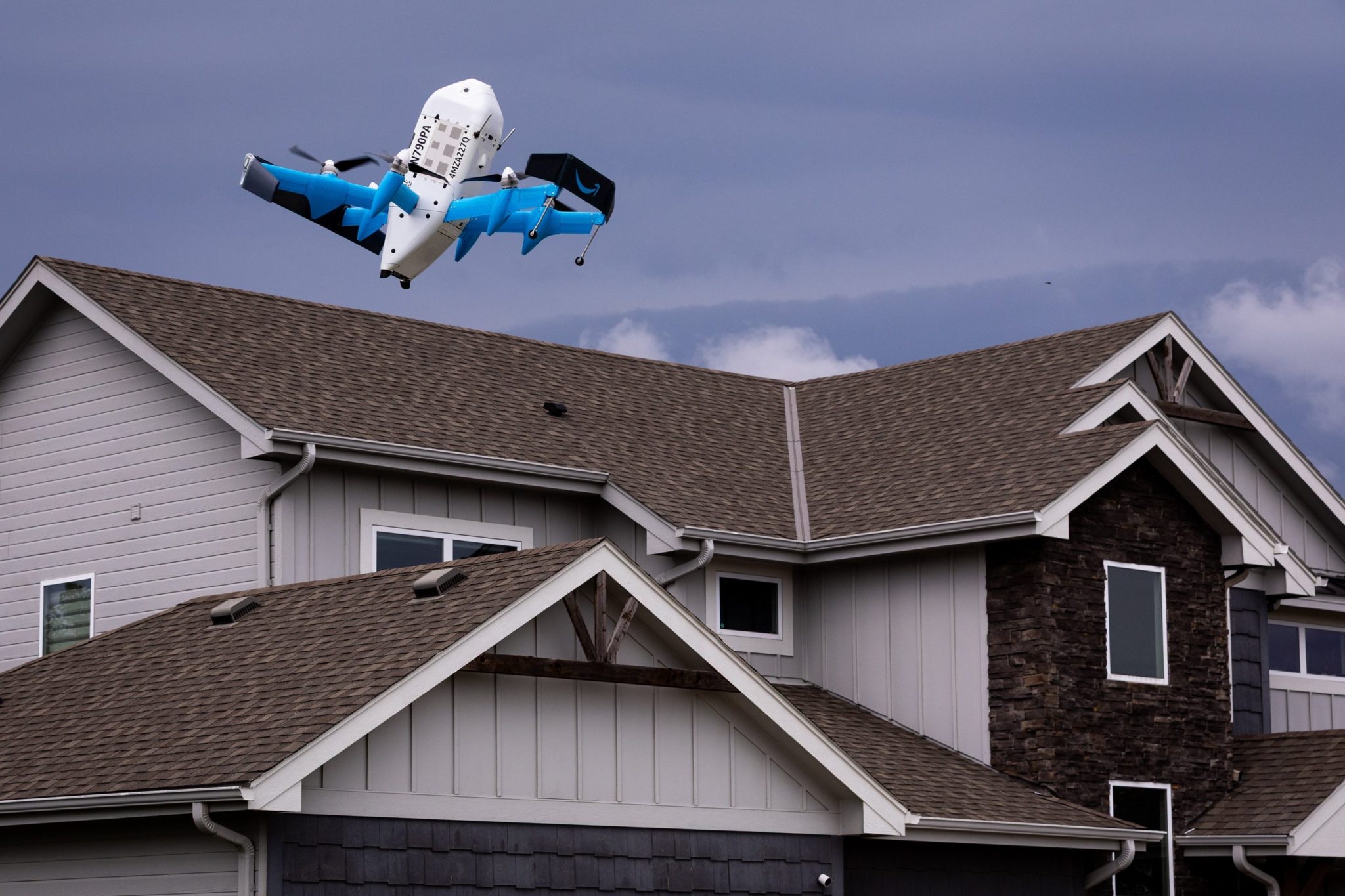
Amazon, Uber, DoorDash and Walmart take the delivery wars to the skies
In Texas, a package a woman was expecting from an Amazon drone landed straight in her swimming pool — a mishap that arrived just as drone delivery, after decades of promises, is finally reaching serious scale.

Hundreds of AI Productivity Tools Were Born in the Last 12 Months — Most Won't Survive
Sanjot Malhi, managing partner at venture fund Northzone: the world doesn't need another AI productivity tool — the market is already oversaturated, and it's time for investors to look for solutions that create genuine value.