Personal Branding Isn't About Becoming an Influencer — It's About Building Professional Trust

When marketer Kamya Marwah started posting content on LinkedIn, her goal was simple — find a job. After getting more than 700 rejections on her applications, she realized the traditional path wasn't working for her, so she began posting content regularly, wanting employers to see what she was capable of before ever getting to an interview. And it worked.
In the two years since graduating, she received three full-time job offers — and accepted two of them: first, a marketing executive role at a jewelry brand, then a marketing and community manager position at a B2B startup, where she now leads growth. The third offer came from a UK agency that helps students find jobs.
The most interesting part, she says, wasn't that these opportunities came through LinkedIn — it was that employers didn't need to be introduced to her from scratch. They already knew, from her content, what she worked on, what she cared about, and how she thought. Even at her most recent job, part of what got her hired was the company wanting her to replicate what she'd built on LinkedIn for the company and its own brand; though those plans later changed, her personal brand remained a key reason she was hired.
The experience changed how the author thinks about résumés: a résumé shows what you've done, but your content shows how you think. In other words, building a personal brand isn't about generating buzz or becoming an influencer — it's about creating real professional capital by openly showing what you're learning and building.
Related articles

Why Celebrity-Founded Brands Keep Shutting Down
Messi's and Alex Cooper's drink brands, Mas+ and Unwell, are shutting down less than two years after launch. Analysts point to a widening gap between celebrity fame and consumer trust.
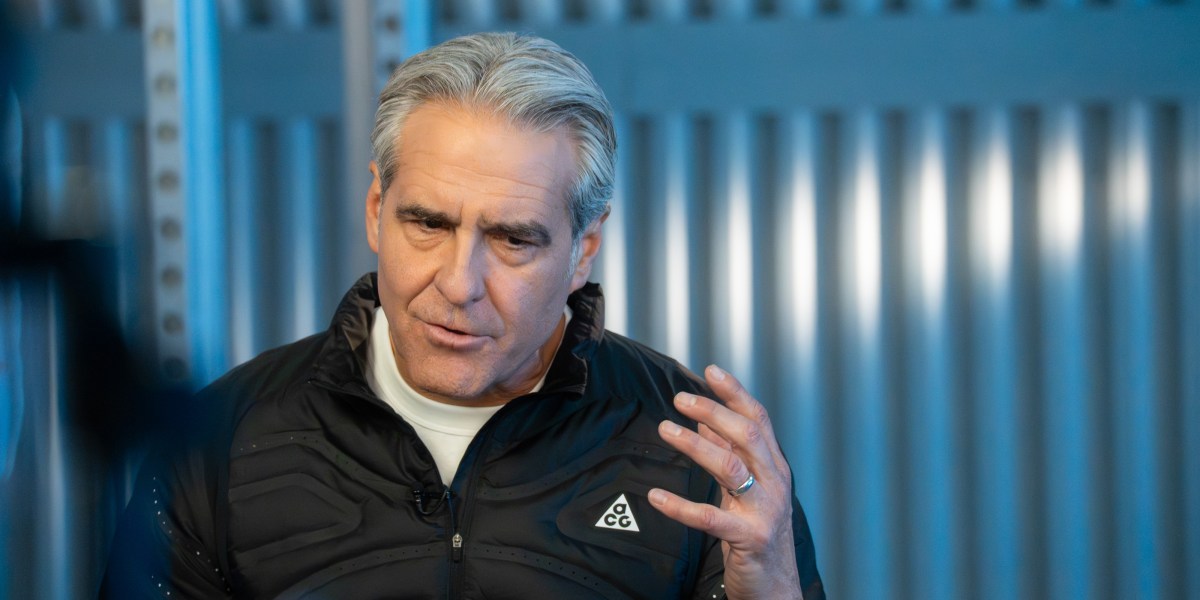
Elliott Hill Returned to Save Nike, But the Road Is Still Long
In 2024, Nike's board brought back Elliott Hill, a 32-year veteran of the company, as CEO, but nearly two years later the turnaround of the $60 billion brand remains slow and difficult.

Four Brands Apologized in Two Weeks: Does It Help?
Major brands including Neutrogena, Target and Good Good Golf have been forced into a string of public apologies over the past two weeks, prompting experts to ask whether these apologies can actually restore customer trust.