Google Ads Uses Generative AI to Auto-Adapt Performance Max Video Ads

Google Ads is now updating existing Performance Max (PMax) video ads using generative AI: the system automatically generates the missing aspect ratios — the width-to-height proportions of a video frame — for an ad. The update lets a single advertiser video generate multiple formats, extending its reach across more of Google's ad placements.
The new feature builds on Google's earlier video extensions, which could already automatically convert horizontal videos into vertical and square formats. The company says the goal is to expand video ad reach and improve the viewer experience.
It's another step in a broader trend of Google gradually expanding Performance Max from automated media buying toward automated creative production. Generative AI is now actively being enlisted to fill gaps in the assets advertisers provide — meaning AI is shaping not just where an asset runs, but the asset itself.
Still, these auto-generated versions won't suit every advertiser. Extending or adapting video with generative AI adds an extra layer of automation, so brands should carefully review visual consistency, product accuracy, and adherence to brand guidelines.
Advertisers who don't want the feature can contact their account team or fill out Google's dedicated opt-out form before September 4. Video settings can also be changed anytime directly within the Google Ads account, meaning advertisers retain full control regardless.
Related articles
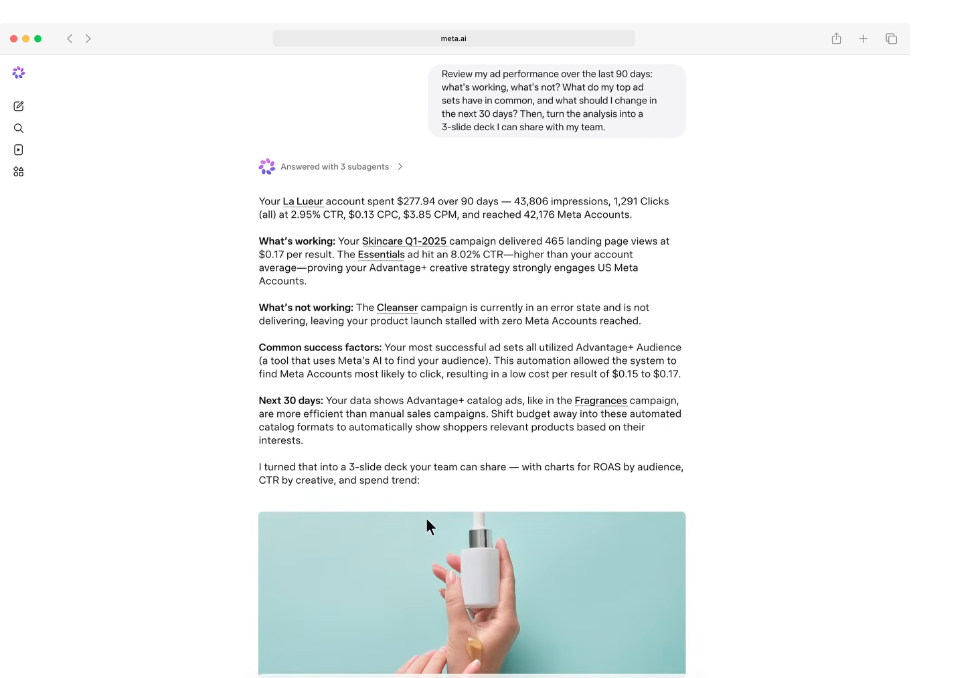
Meta AI Now Analyzes and Optimizes Your Ad Campaigns on Its Own
Meta has expanded its AI assistant for small businesses: Meta AI now analyzes ad performance, offers recommendations on budget and creative, and automatically builds reports.
Sony Investigation: WPP Ran Client Funds Like a "Global Criminal Enterprise"
New documents filed in a former GroupM executive's lawsuit show that Sony's internal investigation accused WPP of concealing advertising rebates from clients in China and other markets.

How Do You Measure Ads Shown to AI Agents? Nobody Has Solved It Yet
Publishers and advertisers are now trying to serve ads to AI agents instead of humans, but nobody has a clear answer for how to tell whether that advertising actually worked — and that gap is fueling a wave of new measurement startups.