The FTC's Little-Noticed Proposal: Who Decides What AI Can Say?

A draft proposal from the US Federal Trade Commission (FTC), which has so far attracted little attention, is pulling AI companies into the center of a growing battle over who decides what AI systems can and cannot say.
The FTC's draft policy has drawn more than 300 public comments, reflecting deep concern over the government's role in policing AI-generated speech, as well as the geopolitical implications of such oversight. Notably, the proposal specifically targets AI text distorted by "undisclosed ideological" bias.
The debate poses not only legal but also reputational risks for AI companies, since any government-set standard for "correct" or "incorrect" speech can be interpreted differently across countries, turning it into a complex balancing act for AI platforms operating globally.
From a marketing and business standpoint, this development shows that artificial intelligence is now moving deeply not just into technology but into regulatory territory as well, brands and companies using AI tools may face new legal and ethical requirements going forward.
Related articles
Waiting on Unpaid Clients Is a Mistake: A Hidden Source of Lost Revenue
According to the American Collectors Association, roughly 13% of business accounts are past due at any given time — and every month of delay lowers the odds of recovery while raising cash-flow risk.

Amazon, Uber, DoorDash and Walmart take the delivery wars to the skies
In Texas, a package a woman was expecting from an Amazon drone landed straight in her swimming pool — a mishap that arrived just as drone delivery, after decades of promises, is finally reaching serious scale.
Hundreds of AI Productivity Tools Were Born in the Last 12 Months — Most Won't Survive
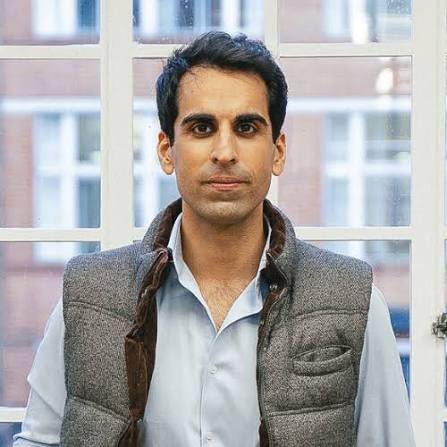
Sanjot Malhi, managing partner at venture fund Northzone: the world doesn't need another AI productivity tool — the market is already oversaturated, and it's time for investors to look for solutions that create genuine value.