Frasers Buys Harvey Nichols: How the Luxury Brand Plans to Escape Crisis
Britain's renowned luxury department store Harvey Nichols has changed hands, acquired by Mike Ashley's Frasers Group through a "pre-pack administration" — a mechanism in which a company's assets are sold to a pre-arranged buyer through negotiations before the business is formally declared insolvent. The deal closed on Thursday, August 13, with Harvey Nichols valued at roughly $54 million, though Frasers has not disclosed the official purchase price.
Under the deal, Frasers takes control of six UK stores, including the London flagship, with more than 1,000 employees transferring to the new company. The fate of the Dublin store remains uncertain, while the Harvey Nichols restaurant in London's Oxo Tower was excluded from the deal and its future will be decided separately.
During the sale process, Frasers competed with fellow British clothing retailer Next and won largely because of its willingness to take on more UK property. Frasers CEO Michael Murray commented on the deal: "Harvey Nichols is one of Britain's iconic institutions with real potential, but it clearly needs significant change. Turning the business around will require tough decisions."
Harvey Nichols has been losing money since the pandemic: in the fiscal year ending March 2025, the company posted an after-tax loss of nearly $142 million. Revenue over the same period fell from $276.6 million to $249.6 million, while the pre-tax loss widened from $46 million to more than $66 million. The company's troubles largely stem from its heavy reliance on international tourists — particularly wealthy overseas shoppers in London — and the decline in that category of customer has only deepened the blow.
Frasers' main goal is thought to be rebuilding Harvey Nichols rather than preserving it as-is: the Knightsbridge flagship and the Edinburgh store are expected to keep the Harvey Nichols name, while the Birmingham, Leeds, Manchester and Bristol branches could be converted to a different format in the future.
Related articles

Waiting on Unpaid Clients Is a Mistake: A Hidden Source of Lost Revenue
According to the American Collectors Association, roughly 13% of business accounts are past due at any given time — and every month of delay lowers the odds of recovery while raising cash-flow risk.
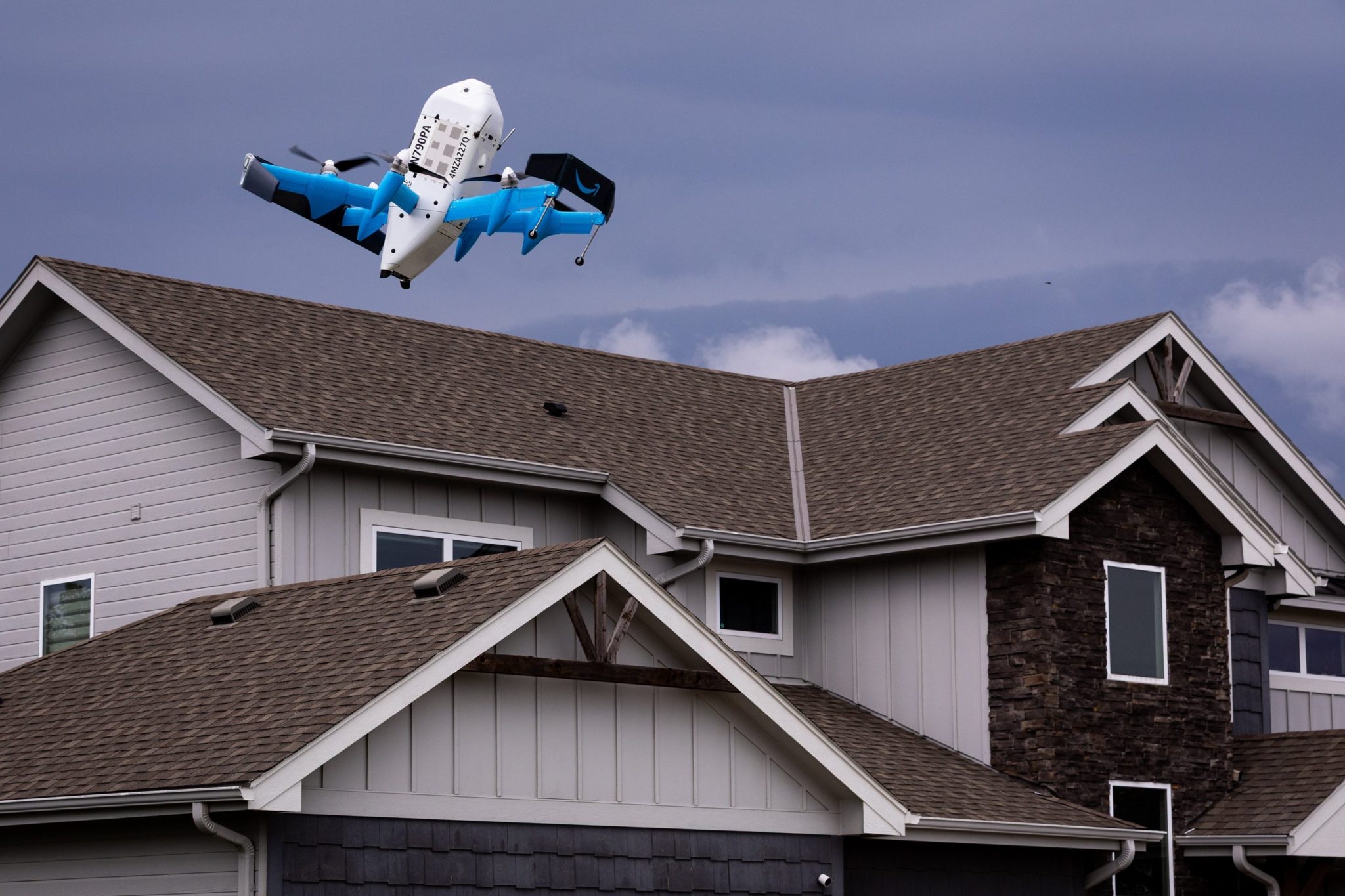
Amazon, Uber, DoorDash and Walmart take the delivery wars to the skies
In Texas, a package a woman was expecting from an Amazon drone landed straight in her swimming pool — a mishap that arrived just as drone delivery, after decades of promises, is finally reaching serious scale.

Hundreds of AI Productivity Tools Were Born in the Last 12 Months — Most Won't Survive
Sanjot Malhi, managing partner at venture fund Northzone: the world doesn't need another AI productivity tool — the market is already oversaturated, and it's time for investors to look for solutions that create genuine value.