The Secret to Managing Social Media as a One-Person Team
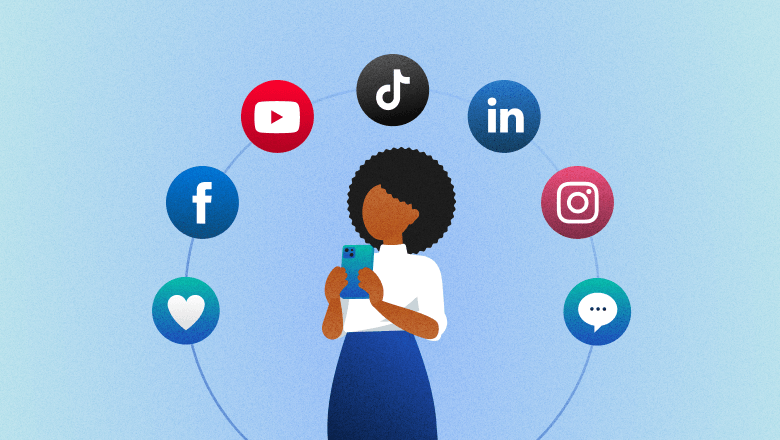
Social media has become the epicenter of cultural conversation and online activity today, turning into a source of strategic intelligence for businesses. It's the place where you can spot which trends are gaining traction and what products people are buying. According to the 2026 Social Intelligence Report, half of one-person social media teams consider social platforms a decisive factor in their company's future growth. Yet for a lone specialist juggling content creation and community management, simply keeping the accounts running is already a demanding task. As a result, there's barely any time left for strategic analysis, and drawing the insights needed to drive business growth gets pushed to the back burner.
In this environment, one person ends up juggling multiple roles at once: brainstorming content ideas, producing copy and visuals, publishing posts, replying to comments, sorting through direct messages, and analyzing performance data — it all falls on a single set of shoulders. According to the 2025 Sprout Social Index, 33% of marketers worry about burnout and creative fatigue. That risk is even greater for solo managers, since they carry the entire load alone, and this exact scenario has become the norm at many startups and small businesses.
The biggest challenge here is the constant platform-hopping: you barely finish checking your Facebook analytics before you have to jump straight into Instagram messages, and that split attention takes a real toll on productivity. According to the Social Media Productivity report, 63% of marketers say manual, repetitive tasks leave them with no time for the work that actually matters. The second challenge is creative burnout: per the 2025 Sprout Social Index, 94% of practitioners feel obligated to stay constantly online for work, which has made fatigue and idea scarcity marketers' fourth-biggest fear. Third, without a dedicated analyst, proving return on investment (ROI) is difficult — spotting which content performs well is easy enough, but tying that back to actual business outcomes takes deeper analysis. And finally, keeping up with response-time expectations is tough: Index data shows nearly three-quarters of consumers expect a brand to reply within 24 hours, or they're ready to buy from a competitor next time.
When everything feels urgent, getting priorities right becomes essential. First, metrics like view counts may look impressive, but they're meaningless if they don't translate into real business value — so set 2-3 specific, business-outcome-driven goals, such as boosting brand awareness, building community, driving sales, or strengthening customer loyalty. Next, sort your daily tasks by an "impact versus effort" ratio: quick wins — high-payoff, low-effort tasks like repurposing existing content or resharing user-generated content; big bets — projects that demand significant time and budget but deliver major results, such as an influencer campaign; backlog items — low-priority tweaks that are quick to knock out; and time sinks — tasks that consume a lot of effort for little payoff, such as manually tracking analytics or building elaborate graphics for a platform your audience doesn't even use — these are the tasks to drop altogether. Finally, don't try to stay active on every platform at once: pick one or two networks based on your audience — LinkedIn for B2B audiences, TikTok for Gen Z and teens, Instagram for millennials and Gen Z, and Facebook for Gen X and baby boomers.
This is exactly where artificial intelligence (AI) and automation tools become genuinely useful: according to the 2025 Sprout Social Index, 93% of practitioners find AI helpful in fighting creative burnout. But the goal isn't to hand AI the job of creating everything from scratch — it's to offload repetitive, time-consuming tasks onto it so you can focus on the work that genuinely needs a human touch. There are three areas where AI delivers the most value: first, generating headlines, copy, and ideas, where it helps spot trending topics and quickly draft captions around them; second, scheduling posts and picking optimal timing, since automated tools eliminate the need to publish each post manually and recommend the most effective times based on audience activity; and third, reporting and performance analysis, where the platform pulls together data from multiple networks into clear, visual reports.
Staying continuously connected with your community is one of the hardest tasks for a one-person team. The solution is to use social listening tools that track brand mentions and conversations across social platforms, letting you monitor all comments, direct messages, and brand mentions from a single dashboard, so nothing important slips through the cracks. Such a system flags a spike in messages right away, letting you catch a problem before it snowballs. At the same time, it's important to set realistic response-time targets: responding to every comment instantly simply isn't feasible for a solo specialist, so setting aside two windows a day — say, 9 to 10 a.m. for messages that came in overnight, and 4 to 5 p.m. for those that piled up during the day — keeps you within a reasonable 16-hour response window.
Ultimately, effective management comes down to choosing the right tools and knowing which tasks are worth automating. Use a visual calendar to plan your content, schedule posts based on optimal-timing recommendations, and track all your messages and results from a single place instead of logging into each platform separately. With this approach, even a single person can run an entire social media strategy consistently and effectively.
Related articles
Dick's Keeps Backing Foot Locker Despite Mounting Losses
Dick's Sporting Goods has sharply cut its annual forecast for Foot Locker, the chain it acquired a year ago, and is now bracing for an operating loss in the tens of millions of dollars - yet insists its confidence in the retailer's long-term prospects remains intact.
Bill Gates: World Leaders Are Not Ready for the Risks of Artificial Intelligence
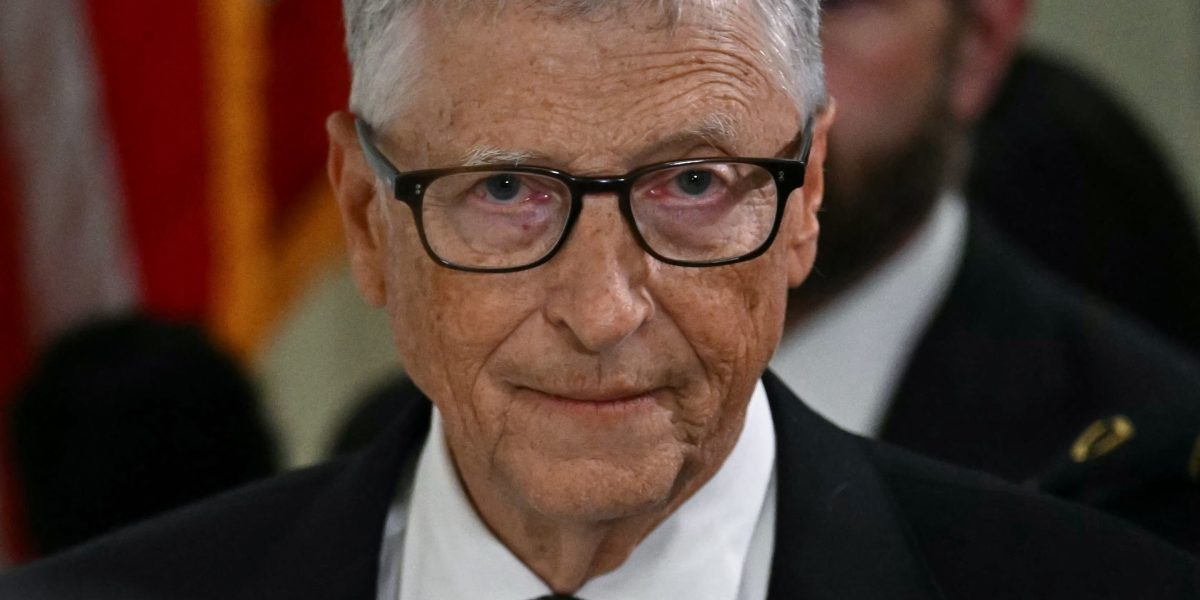
Microsoft founder Bill Gates has openly laid out three serious risks posed by artificial intelligence — to jobs, crime, and children's development — in a new essay, criticizing world leaders for being unprepared for them.
How to Build an "AI Employee": From a One-Off Prompt to an Automated System
Instead of one-off AI prompts, a reusable "AI employee" — how the idea helped one company hit $40 million in revenue with just 50 people.