American Consumers Are Afraid of the Future: Confidence Index Falls for Second Straight Month
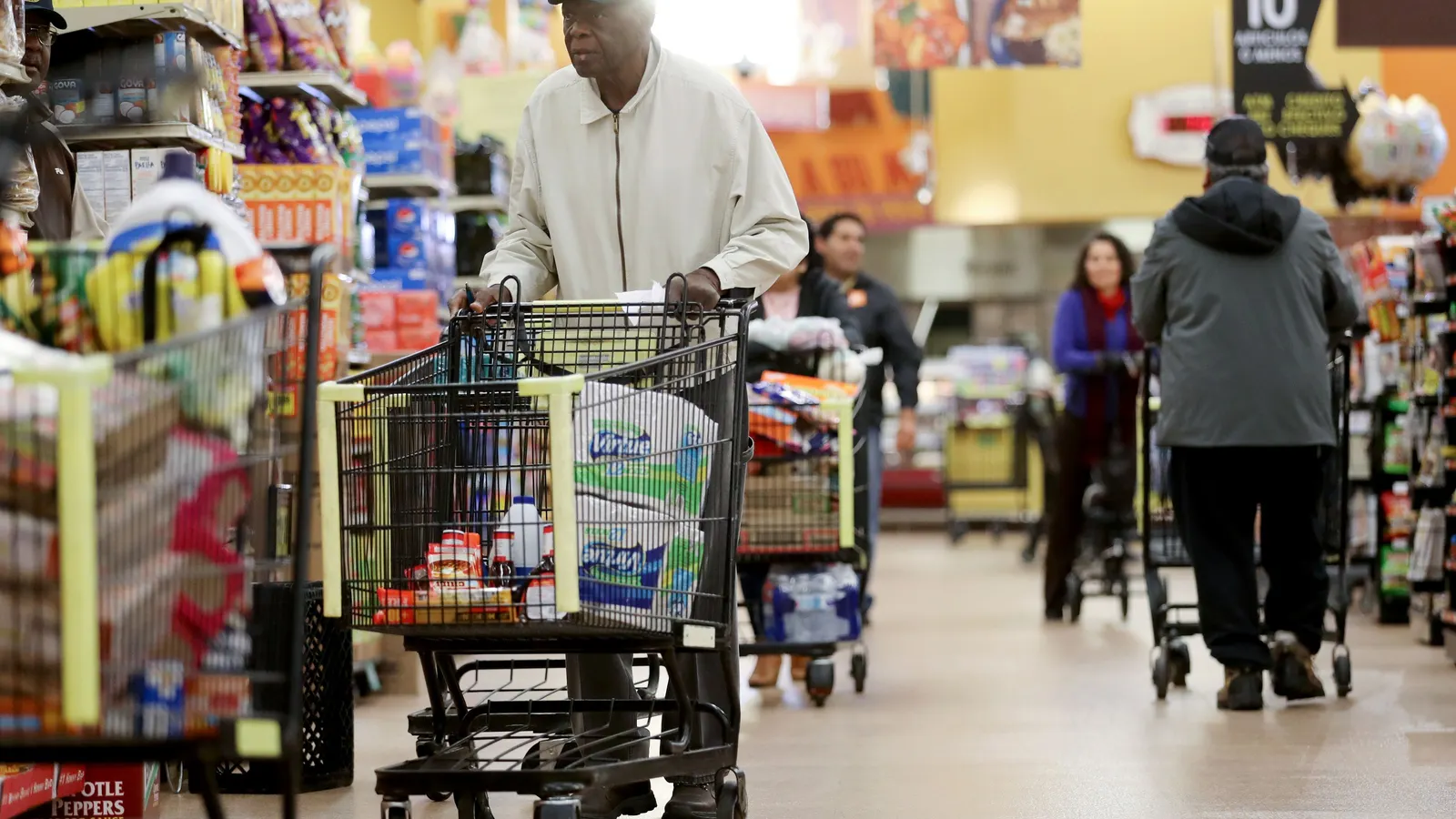
US consumer confidence fell for a second consecutive month in August, according to the monthly survey from The Conference Board, as concerns over jobs, income and business conditions intensified. The confidence index dropped from 90.2 in July to 89.4 in August. Respondents' written comments were also notably more pessimistic than in July, with emphasis on rising gas prices, war, inflation, food prices, trade, and employment.
Heather Long, an economist at Navy Federal Credit Union, said the data shows "just how anxious people are about the future" — a concern that's especially acute for consumers earning less than $75,000 a year. "For middle- and lower-income Americans, financial strain is a real condition, and it will only get worse if borrowing costs stay elevated," she said.
Most consumers expect both inflation and interest rates to rise over the next 12 months. The yield on the 10-year US Treasury note, a benchmark for mortgages and other consumer loans, climbed from 4.19% at the start of the year to 4.64% by Tuesday. The rise in rates has been driven by inflation concerns, the US-Iran conflict, the country's worsening fiscal position, and a sharp increase in corporate borrowing to build out AI infrastructure.
Rising interest rates are hitting lower-income Americans especially hard. Joanne Hsu, director of consumer surveys at the University of Michigan, said consumer sentiment fell 8% for the month after two straight months of improvement, with the sharpest declines among older, lower-income consumers and those without a college degree — groups Hsu says are the most vulnerable to a decline in purchasing power.
A survey by consulting firm EY-Parthenon found that 54% of US households were unable to save a single dollar last month, and one in five households spent more than they earned, forced to draw on debt or savings. 72% of consumers named discretionary categories like dining out, clothing, beauty and personal care as areas they could cut back on.
Even so, assessments of current economic conditions look considerably better than expectations for the future: the Present Situation Index, which measures the current state of business and the labor market, rose 6.8 points to 121.2 after three consecutive months of decline. These figures are also an important signal for investors and analysts tracking global markets, reaffirming once again the link between US consumer confidence and spending behavior.
Related articles

Nvidia Issues Its First-Ever One-Year-Ahead Forecast: A Blockbuster 70% Growth Call
Nvidia has unveiled a surprise 70% revenue growth forecast for the coming fiscal year — far outpacing analyst expectations and pushing back on mounting doubts about the sustainability of AI investment.

Corporate America's Anti-Woke Retreat Is Reaching Its Limits
Over the past year and a half, many U.S. companies have scaled back their DEI and social-impact programs, but new research suggests the retreat is hitting its ceiling — giving way to a more durable model of corporate purpose tightly woven into business strategy.

Growing Broke: Why Fast-Growing Companies Keep Running Out of Cash
Revenue and profit can climb while cash still runs out — a Forbes contributor explains how to prevent it using seven financial levers.