How Unilever Measures Sports Sponsorship ROI: The Persil Case
Brand spending on sports sponsorship keeps climbing, but for brands active across multiple sports, tracking the return on that investment is getting harder. Unilever's internal "Dirt Is Good" program, which spans laundry brands Persil, Omo, and Skip, recently entered motorsport sponsorship through F1 Academy — Formula 1's all-female division, launched three years ago — and has been Arsenal Football Club's "official fabric care partner" since 2023.
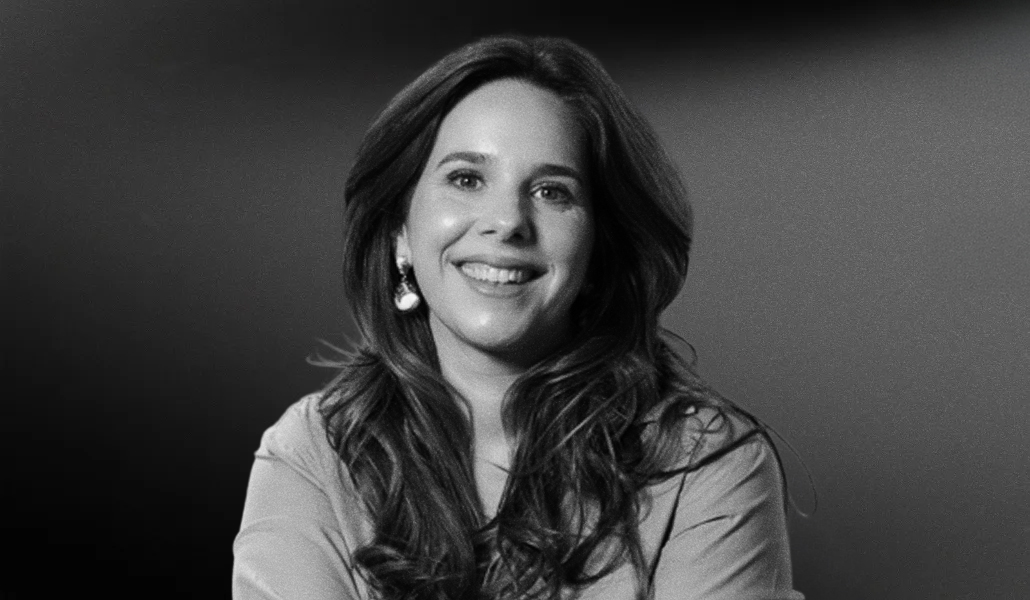
Giovanna Bressane Gomes, Unilever's global vice president and head of fabric care, says the company evaluates sponsorship effectiveness not just through exposure, but through how well it strengthens brand positioning, makes the brand more meaningful and distinctive, and lifts future purchase intent. To do that, the company analyzes brand-impact studies, brand-equity research, market penetration, market share, and sales figures together.
Since the Arsenal partnership began, awareness of the sponsorship has risen from 11% to 16%, with 80% of consumers saying it improved their perception of Persil and nearly 80% saying it increased the likelihood they'd buy and use the brand in the future. For comparison, Nielsen data puts front-of-shirt sponsorship for a "big six" club like Arsenal at £35-60 million ($47-81 million); Gomes wouldn't disclose the F1 Academy deal's cost but noted it's significantly cheaper than the Arsenal partnership.
Persil's F1 Academy partnership officially launches on August 21 at the Dutch Grand Prix, with the brand's colors appearing on the car of ambassador and driver Zoe Florescu; the campaign also features former sprinter Usain Bolt. Gomes says the goal is to link Persil's products with speed and high performance while boosting interest in the brand among suburban families.
Gomes also stresses the importance of influencer marketing — partnerships with people who shape audience opinion through social media. She notes that partnerships with major influencers mainly drive reach and awareness, while micro- and nano-influencers — those with smaller but closer, more trusted audiences — do more to drive engagement and authentic sentiment toward the brand. As a result, Unilever builds strategies that combine both influencer types, tailored to football or motorsport audiences.
Related articles
Brands Care About Fit, Not Follower Count — New Creator Marketing Research
New research from CreatorIQ shows brands rank brand fit above all else when choosing a creator to work with, placing follower count dead last. Yet pay still tracks follower count closely.

Google Now "Builds" a Full Interface Right in Search Results — What It Means for Site Owners
Google's generative UI technology is rolling out to AI Overviews: the search engine now builds an interactive calculator or visualization on the fly, based on your query. Google's own research shows what that means for websites.
Google Wraps Up Its August 2026 Spam Update: What It Means for Your Site
Google finished rolling out its latest spam update, which began on August 18, by August 21. It's the third such update this year — and it applies globally, across all languages.