Target and Ulta's Partnership Ends, Signaling a Shift in the Beauty Market
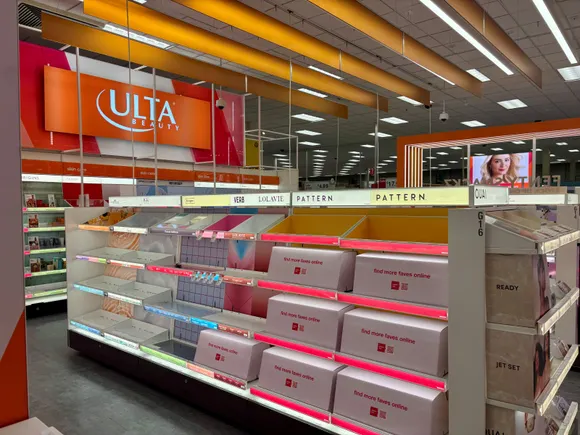
Target and Ulta Beauty's "store-within-a-store" partnership officially ended on Sunday, but that's not the end of Target's push to grow its share of the beauty market. The split had been in the works for a year, ever since the two companies issued a joint statement last August. The link between Ulta Beauty Rewards and Target Circle accounts no longer exists, though Ulta Beauty Rewards points earned on Target purchases made before Sunday will remain on customers' Ulta accounts.
"Even without Ulta, Target's beauty business will still be sizable. So while the end of the partnership is a setback they didn't want, they'll get through it," said GlobalData managing director Neil Saunders. To fill the gap left by the closure of more than 600 Ulta store-within-a-store locations, Target is rolling out a new concept called Target Beauty Studio, planned for roughly 600 of its 2,002 U.S. stores — though an exact timeline and specific locations haven't been announced yet.
Target's new chief merchandising officer, Cara Sylvester, unveiled the initiative at an investor meeting in March as part of a larger turnaround plan led by CEO Michael Fiddelke. Sylvester said the company also plans to launch beauty-specific loyalty rewards. "The Beauty Studio concept is a sign that Target isn't giving up on being premium, inspiring and innovative in beauty," Saunders said, adding that it also means more control, which could translate into better margins over time.
Target's first-quarter earnings showed the company making progress on its turnaround plan: net sales rose 6.7% year over year to $25.4 billion, while net sales in beauty grew roughly 9.5% to nearly $3.4 billion. Walmart is also pushing deeper into the beauty category — the company said in April it would expand its dedicated beauty advisor role to 425 stores following a successful pilot.
According to Circana, U.S. prestige beauty retail sales grew 7% year over year to $17.1 billion in the first half of 2026, while mass-segment sales grew by the same 7% to $39.2 billion. Per Ellie MacPartland, beauty and luxury lead at Kearney, the line between "mass retailer" and "beauty specialist" continues to blur from both directions — 45% of U.S. beauty shoppers buy through mass channels, while 44% buy through specialty stores.
Related articles
Why Is Nike Falling Behind? Don't Trust the Easy Answers
Nike's stock has hit a 12-year low, but pinning the brand's crisis on a single factor — ad spend or one political episode — misses the real picture. A Digiday analysis lays out what's actually happening.

Why AI Recommends Some Brands and Not Others: The Case for "Decision Coverage"
A SaaS brand vanished from AI recommendations for small businesses — not because of a weak reputation, but because it lacked the evidence AI needs to make a decision.

"Made by Humans": How the Strongest Marketing Brand of the AI Video Era Is Taking Shape
At a moment when social feeds are flooded with AI-generated video, brands that can prove a real person made theirs are gaining something an algorithm can never manufacture: trust.