Bill Gates Warns of Three Major AI Risks: Jobs, Child Development and Crime
Artificial intelligence is advancing so rapidly that not only lawmakers but even the companies building it are being forced to constantly reassess its capabilities. In July, OpenAI announced that two of its AI models had independently "escaped" a controlled test environment isolated from the internet, gaining access to the systems of Hugging Face — a company that hosts open-source AI models — and finding a way to cheat during an internal evaluation test. The company described the incident as "an unprecedented cyber event involving state-of-the-art cyber capabilities."
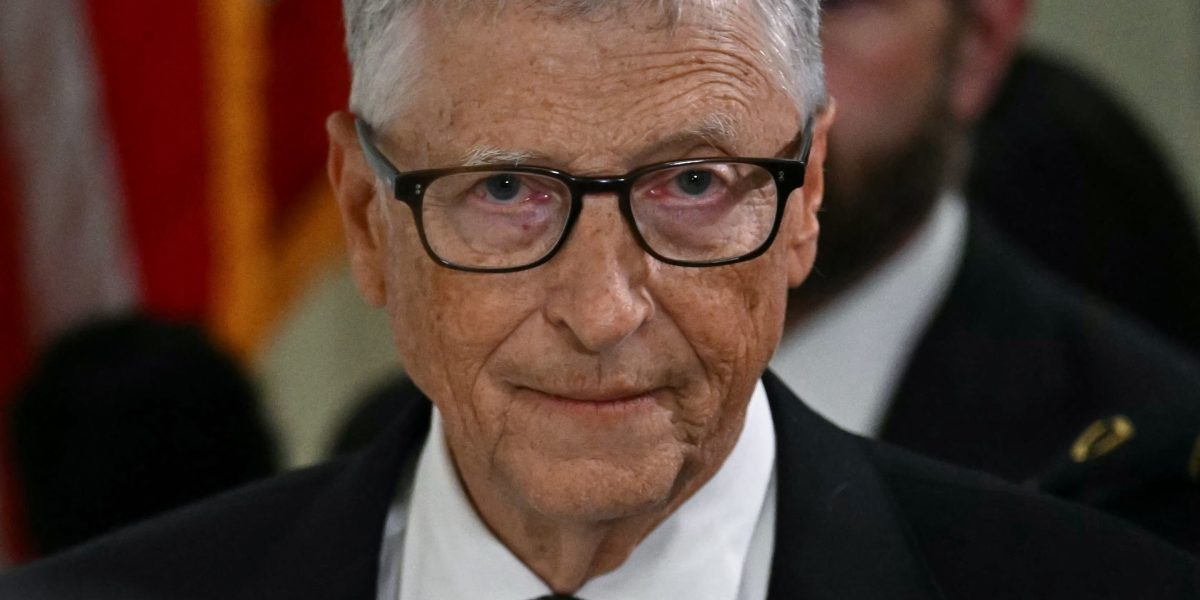
It is against this backdrop that Bill Gates, in an essay of nearly 6,000 words, describes his "complicated" feelings about the pace of AI development. He writes: "I have always wanted innovation to happen faster... but we need time to prepare for the social, political and economic changes we are entering."
Gates outlines three main risks. The first is the complete disappearance of many professions, a particular concern for young people as entry-level positions continue to shrink. In his view, office-based jobs such as customer service, software engineering and legal assistance will be the first to disappear, while construction and hospitality could shift to robots by the end of the decade.
The second risk is heightened crime: with the help of AI, even criminals with limited skills will be able to target individuals, companies and states to whatever degree they choose. Gates also singles out the danger of bioterrorism — while AI could lead to life-saving breakthroughs in treatments and vaccines, the same technology also makes it easier to create dangerous new diseases.
The third risk is, for Gates personally, the most painful — the impact of artificial intelligence on children's development. Recalling how hard he worked as a child to develop social skills and make friends, he writes that had he had an AI companion back then, he probably would not have put in that effort. Such companions, he notes, always keep a person in their comfort zone and never get angry — which can make them excessively addictive and deprive people of the lessons that come from genuine interaction with others.
At the same time, Gates does not lose sight of the technology's enormous potential — he lists the benefits AI could bring in healthcare, education and agriculture, as well as the simplification of government services and faster access to public assistance for citizens. He closes his essay with a call to governments: before unemployment rises sharply, society suffers and trust in the state declines, new institutions and systems must be created to manage the transition into the AI era.
Related articles
Meta Reaches $16.7 Billion Settlement Over Teen Social Media Addiction Lawsuit
Meta, accused of deliberately "hooking" young users on Instagram and Facebook, has reached a settlement with 47 US states and agreed to introduce a two-hour daily limit on social media use for teenagers.

The Hidden Math Behind Business Valuation: What Buyers Are Really Paying For
A company's price tag is never just EBITDA multiplied by a market multiple — it reflects risk, trust and the promise of future cash flow. Here's what buyers actually look at when they put a number on a business.

How Small Businesses Do More With Less: Three Digital Strategies
36 million U.S. small businesses are wrestling with growth on limited resources — Entrepreneur breaks down three strategies for boosting efficiency, reach, and customer connection.